
Practical thinking on SEO, AEO, GEO, and content operations
Field-tested guides for teams building content systems that rank, answer cleanly, and stay useful after the publish date.
What Is an AI Blog Strategy?
An AI blog strategy is a documented plan for choosing, producing, reviewing, publishing, and improving blog content with AI assistance and human accountability.
AI Blog Strategy for Agencies: A Scalable Client Workflow
Build a scalable AI-assisted blog strategy for agency clients with shared standards, client-specific evidence, review gates, and measurable workflows.

AI Blog Strategy for Small Businesses
Build a practical AI-assisted blog strategy that helps a small business plan useful content, protect its credibility, and improve over time.

AI Blog Strategy for SaaS Companies
Build an AI blog strategy for SaaS that connects product expertise, search demand, editorial review, distribution, and measurable business outcomes.
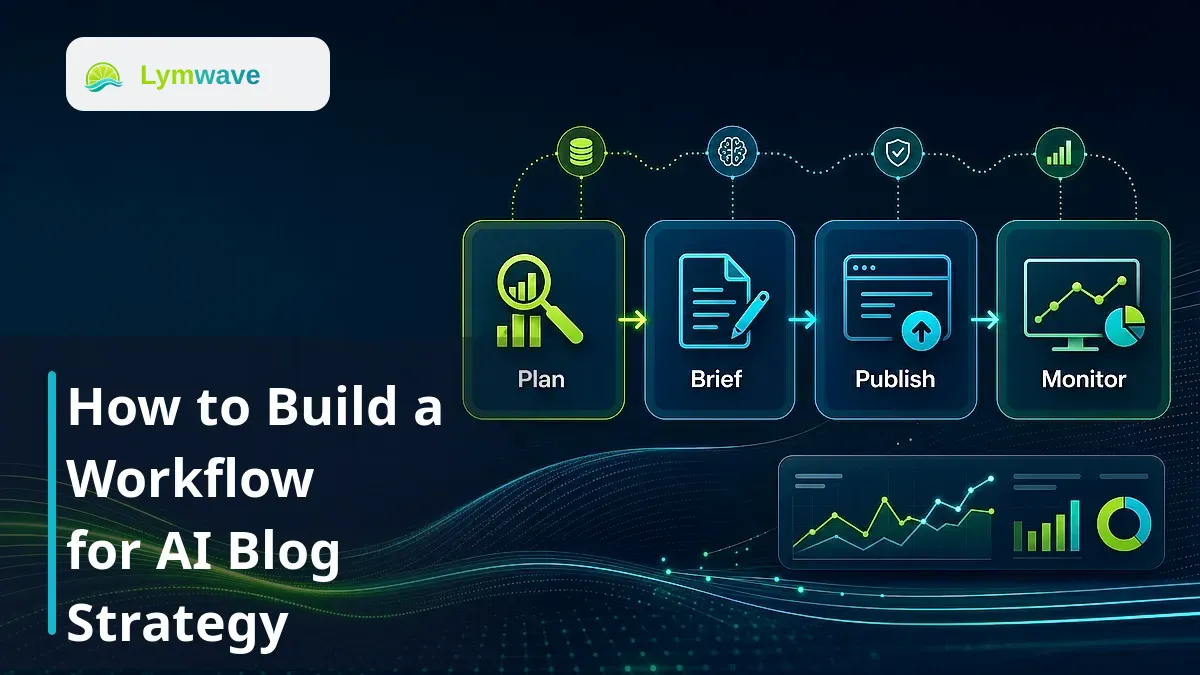
How to Build a Workflow for AI Blog Strategy
Build an AI blog strategy workflow that turns evidence into reviewed, connected, measurable content without automating editorial judgment.
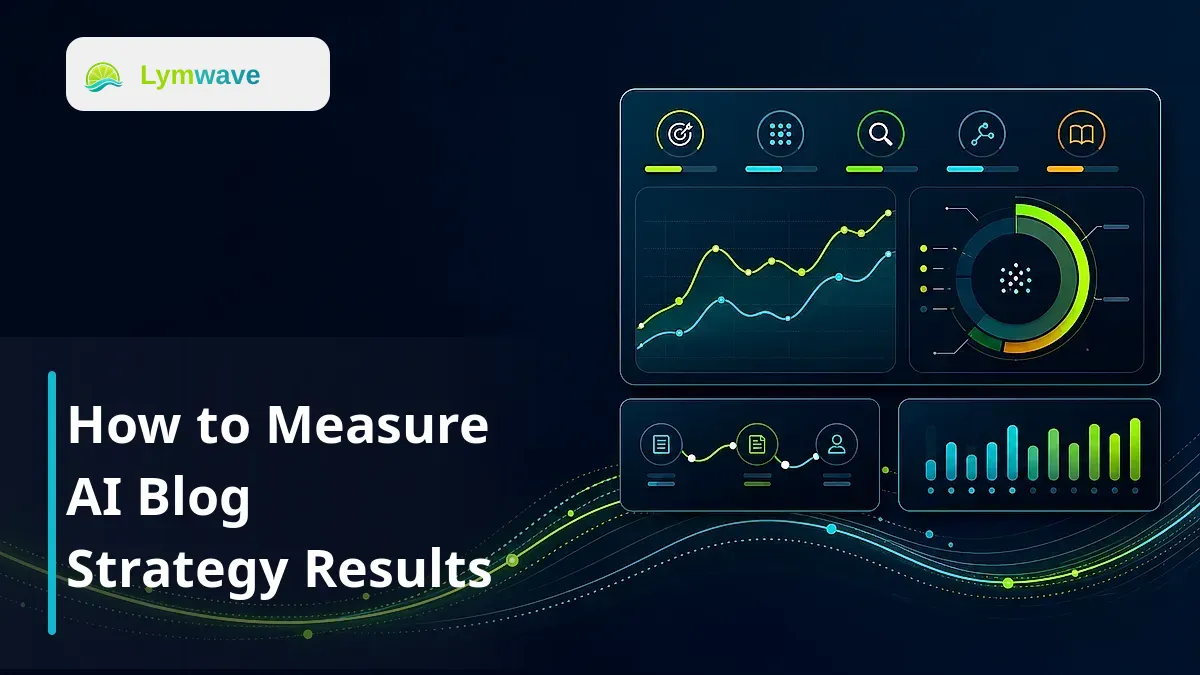
How to Measure AI Blog Strategy Results
Learn how to measure an AI blog strategy with a practical scorecard for strategic fit, topic coverage, visibility, reader journeys, and business learning.
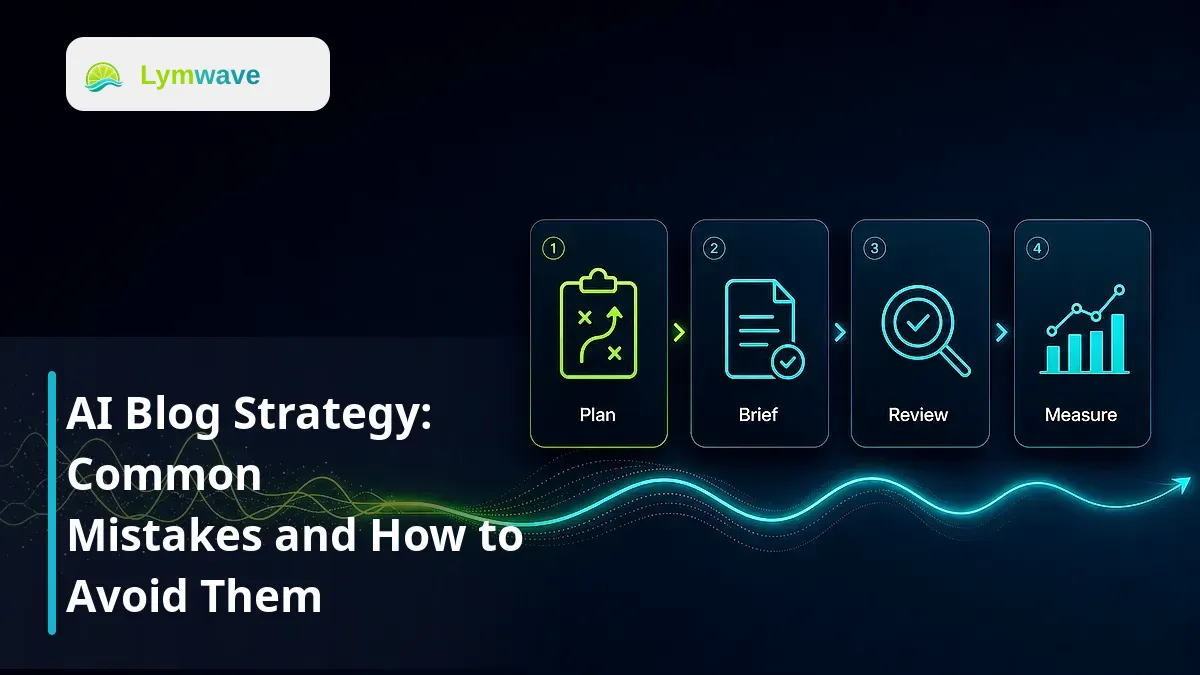
AI Blog Strategy: Common Mistakes and How to Avoid Them
Learn the most common AI blog strategy mistakes and how to fix weak priorities, generic drafts, content overlap, review gaps, and misleading measurement.
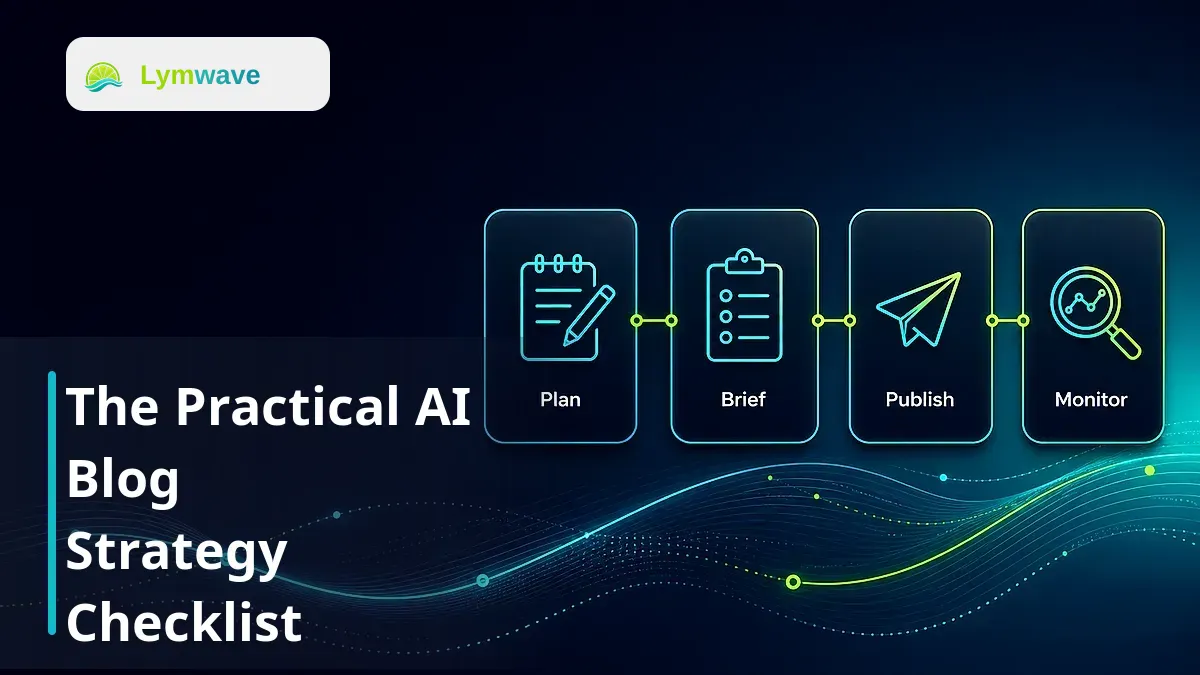
The Practical AI Blog Strategy Checklist
Use this practical AI blog strategy checklist to plan, review, publish, and improve useful content without automating away editorial judgment.

The Beginner's Guide to AI Blog Strategy
Learn how to build an AI blog strategy that connects audience research, content planning, editorial review, publishing, and performance feedback.
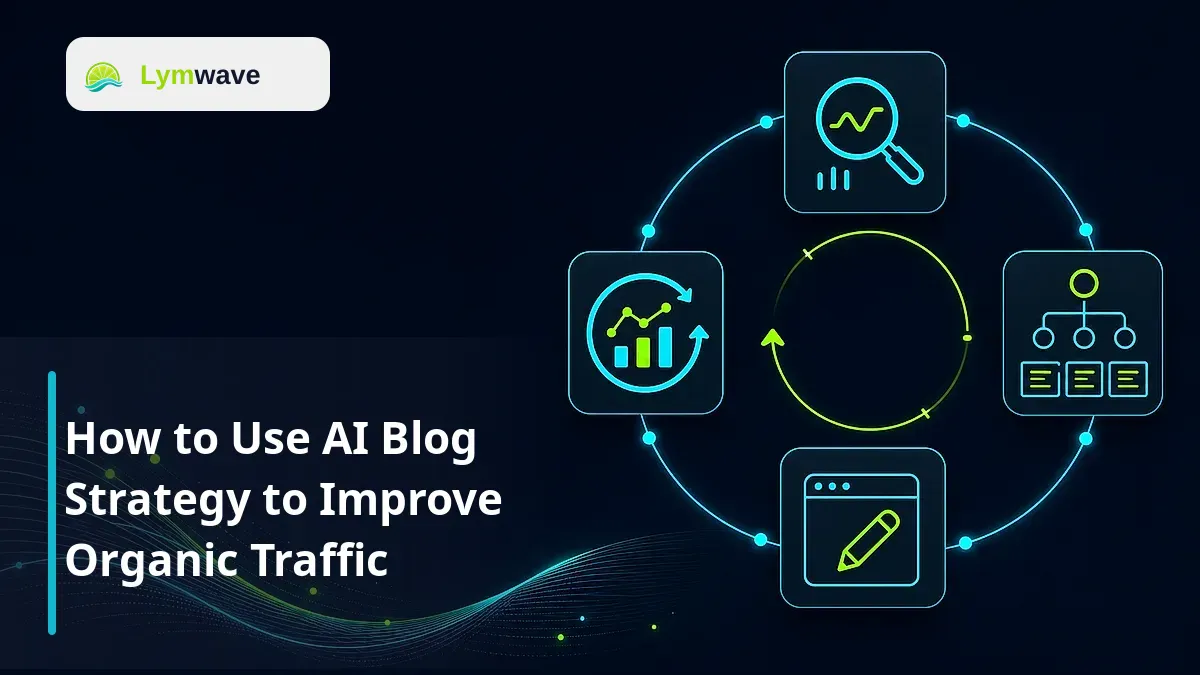
How to Use AI Blog Strategy to Improve Organic Traffic
Learn how to use AI blog strategy to prioritize evidence-led topics, strengthen content clusters, refresh existing pages, and improve organic traffic.